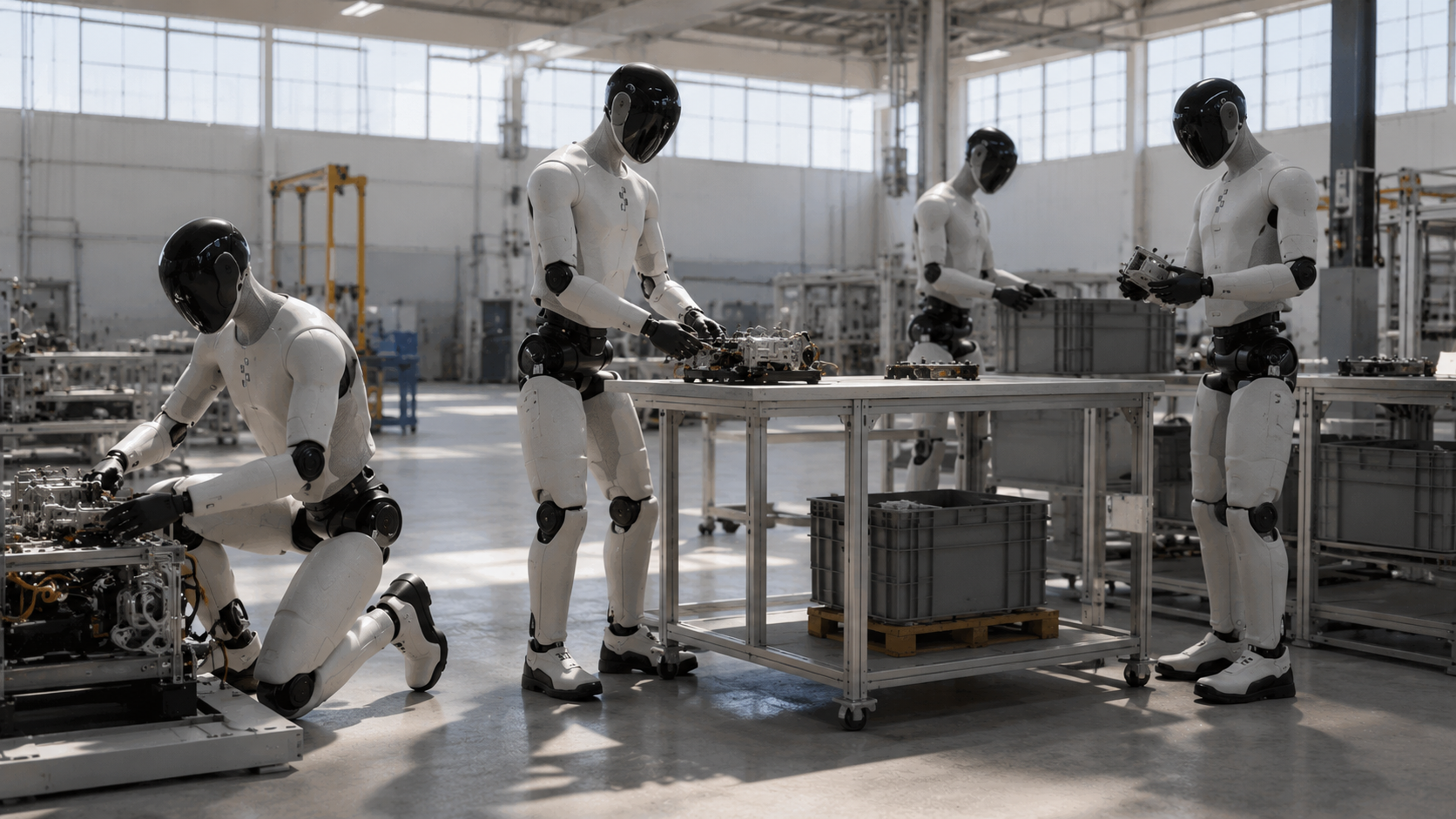
Figure AI’s workforce has crossed a historic threshold.
June 19, 2026
Figure AI crossed an unusual milestone: for the first time, the company’s humanoid robots officially outnumber its human employees. CEO Brett Adcock announced the workforce inversion alongside performance metrics that suggest humanoid robotics is moving beyond carefully staged demonstrations and into deployable industrial labor.
The milestone isn’t simply about company headcount. It marks a moment where a robotics company is beginning to manufacture not only its products, but its own workforce.
Uptime Becomes the Ultimate Metric
But simply having more robots than employees isn’t what matters. The real question is whether those robots can actually perform useful work day after day.
For years, the robotics industry relied on heavily edited short videos featuring machines carefully lifting individual boxes or performing karate moves. Real-world supply chains, however, don’t need brief moments of exciting movements—they need relentless consistency.
Figure AI demonstrated exactly that by running its Figure 03 robots through a 200-hour autonomous livestream. Over that continuous stretch, the machines processed nearly 250,000 packages at near-human sorting speeds without a single hardware failure. The result suggests the hardware is finally becoming as dependable as the AI controlling it.
Labor Decouples From Demographics
A robotics company employing more machines than humans offers a glimpse of how industrial expansion may work in the future. Historically, increasing physical output meant hiring more people, navigating labor shortages, managing shift schedules, and working around human physiological limits.
Traditional factory automation solved part of this problem, but only through massive robotic arms bolted to factory floors, confined behind safety cages, and programmed for narrowly defined tasks. General-purpose humanoids are designed differently. They can operate inside environments already built for people while adapting to a wide variety of physical jobs.
When a company can manufacture its own workforce, expanding production becomes increasingly disconnected from human population growth. Every new robot produced increases both manufacturing capacity and the available workforce, creating a feedback loop unlike anything seen in previous industrial eras.
Beyond the Biological Workforce
We may be entering a world where human physical capacity is no longer the primary ceiling on economic output. As increasingly capable AI foundation models merge with durable humanoid hardware, the cost of performing physical work could gradually trend toward the underlying costs of electricity, raw materials, maintenance, and manufacturing.
As these systems become cheaper, more capable, and easier to produce, physical labor may begin following a trajectory similar to computing over the past several decades—becoming steadily more abundant and more affordable.
For more than two centuries, industrial growth has ultimately been constrained by the availability of human labor. Humanoid robotics points toward a different model: one where expanding production no longer necessarily requires expanding the human workforce. If that transition continues, one of the oldest economic constraints in history may gradually begin to disappear.
Leave a Reply